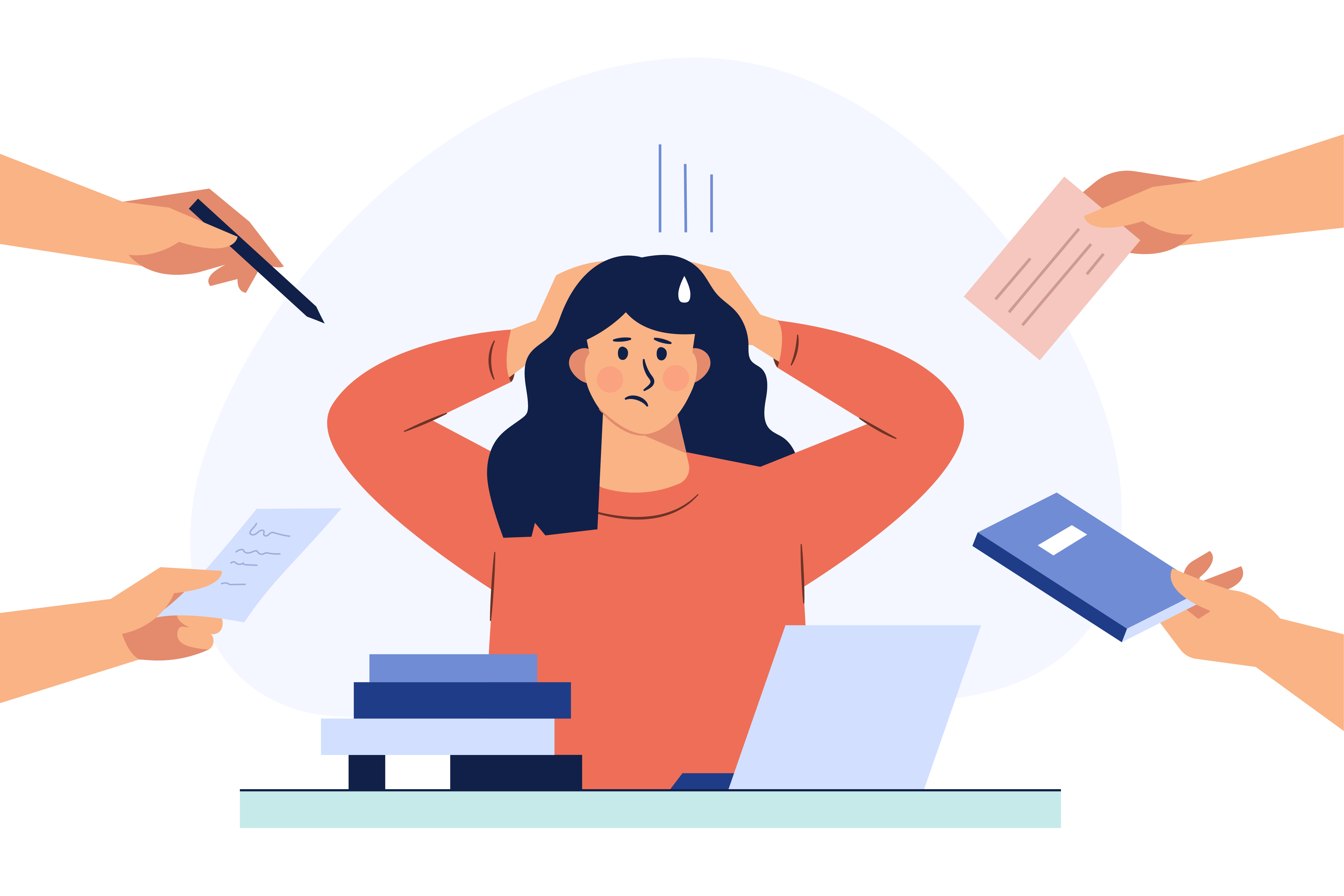
The Hidden Cost of Always Being “On”
You’re getting things done.
You’re showing up for people.
You’re staying productive.
But at the same time… something feels off.
You’re tired in a way that sleep doesn’t fix.
Your mind won’t slow down.
Even when you try to relax, you still feel “on.”
If this sounds familiar, you’re not alone.
What Does It Mean to Always Be “On”?
Being “on” doesn’t just mean being busy.
It means your body and mind are constantly in a state of alertness.
You’re thinking ahead, solving problems, managing emotions—yours and other people’s.
Even in quiet moments, your brain doesn’t fully shut off.
It’s like you’re always bracing for what’s next.
Why This Happens
For a lot of people, this pattern didn’t start randomly.
It often comes from:
Growing up in environments where you had to stay aware or responsible
Feeling like you had to keep things together for others
Learning that slowing down wasn’t safe or wasn’t allowed
High expectations (from yourself or others)
Over time, your nervous system adapts.
Being “on” becomes your normal.
The Cost You Might Not Notice Right Away
At first, it can look like you’re just driven or reliable.
But underneath, there’s a cost:
You struggle to fully relax—even during downtime
You feel emotionally drained but don’t know why
Small things start to feel overwhelming
You disconnect from your own needs
You might feel numb… or constantly anxious
Sometimes people say,
“I don’t even know how to turn it off.”
That’s not a failure.
That’s your nervous system doing what it learned to do.
Why Rest Doesn’t Always Work
You might try to fix it by:
Sleeping more
Taking a day off
Watching TV or scrolling
But it doesn’t fully help.
That’s because this isn’t just physical exhaustion—it’s nervous system exhaustion.
Your body doesn’t feel safe enough to power down.
So even when you stop, internally, you’re still going.
What Actually Helps
This isn’t about forcing yourself to relax.
It’s about slowly teaching your body that it’s okay to come out of that constant “on” state.
Some starting points:
Noticing when you’re “on” without judging it
Building small moments of pause (even 1–2 minutes at a time)
Paying attention to your body, not just your thoughts
Letting yourself do less without feeling like you’re failing
And for many people, working through this with a therapist can help you understand where this pattern came from—and how to shift it in a way that actually lasts.
Making a Change
If you’ve been “on” for a long time, it can feel like that’s just who you are.
But it’s not. It’s something your system learned.
And anything learned… can be unlearned, slowly and safely.
You don’t have to figure it out on your own.
At Firefly Counseling & Consulting, we help people slow down, reconnect with themselves, and move out of that constant state of pressure and overwhelm.
You deserve to feel calm—not just productive.