
Blog & Resources
Blog & Resources

Why Insight Alone Isn’t Enough for Change
Why Insight Alone Isn’t Enough for Change
Many people come to therapy already knowing why they feel the way they do. They understand their patterns, can trace behaviors back to childhood, and are highly self-aware—yet still feel stuck. This can be frustrating and confusing. If insight is so important, why doesn’t it always lead to change?
The answer is simple but often overlooked: insight is helpful, but it’s only one part of the healing process.
The Role of Insight in Therapy
Insight helps us make sense of our experiences. It allows us to name patterns, recognize triggers, and understand how past experiences shape present behavior. For many people, gaining insight can feel validating and relieving—like finally connecting the dots.
But insight alone doesn’t automatically change how the body reacts to stress, emotions, or relationships.
Why Change Often Feels Hard Even When You “Know Better”
Much of our emotional and behavioral responses are driven by the nervous system, not logic. You might know that you’re safe, worthy, or capable—yet still feel anxious, overwhelmed, or shut down. This happens because the body learns through experience, repetition, and safety, not just understanding.
This is why people often say things like:
“I know why I do this, but I can’t stop.”
“I understand my trauma, but it still affects me.”
“I have the insight, but I don’t feel different.”
Healing requires working with both the mind and the body.
What Creates Real, Lasting Change
Sustainable change happens when insight is paired with:
Emotional regulation skills
Nervous system support
New relational experiences
Practice responding differently over time
Therapy isn’t just about talking—it’s about creating space for new experiences that help the body learn safety, flexibility, and connection.
Moving From Understanding to Integration
Integration is the process of taking insight and applying it in daily life. This might look like noticing an emotional reaction sooner, setting boundaries differently, or staying present during discomfort instead of avoiding it. These shifts often happen gradually and require patience and support.
Therapy provides a structured, compassionate environment to practice these changes without judgment.
You Don’t Have to Figure It Out Alone
If you feel like you’ve done “all the thinking” but still feel stuck, it doesn’t mean you’re failing—it means your system may need a different kind of support. Therapy can help bridge the gap between understanding and change by addressing the emotional and physiological layers of healing.
Firefly Consulting & Counseling offers a supportive space to explore this process at your own pace. Reach out when you’re ready.

Podcast Series
All about EMDR: A deep dive into a groundbreaking modality for mental wellness
In the latest episode of 'Functional Medicine in Real Life,' Allison had the wonderful opportunity to share insights about a therapy close to heart—Eye Movement Desensitization and Reprocessing, or EMDR.
This technique has been a cornerstone in helping individuals navigate through the emotional turmoil of traumas and challenging life events. Joining the conversation, Allison delves into the essence of EMDR therapy, its potential to foster healing, and whom it can benefit, touching on the common roots of anxiety and how EMDR addresses them.
If you've ever been curious about EMDR or the impact of counseling on personal growth, this episode offers a personal glimpse into the process and its profound benefits.
I invite you to listen as we explore the transformative power of EMDR and how it can pave the way toward emotional healing.


Watch our latest podcast episode below:
In this Good Neighbor Podcast episode, Allison Cornell—founder of Firefly Counseling & Consulting—shares how her team is bringing light to dark places through trauma-informed care, EMDR, and holistic therapy. From her roots in education to launching a thriving group practice, Allison discusses breaking therapy myths, supporting first responders and families, and helping clients heal with compassion and purpose.
Podcast Series
All about EMDR: A deep dive into a groundbreaking modality for mental wellness
In the latest episode of 'Functional Medicine in Real Life,' Allison had the wonderful opportunity to share insights about a therapy close to heart—Eye Movement Desensitization and Reprocessing, or EMDR.
This technique has been a cornerstone in helping individuals navigate through the emotional turmoil of traumas and challenging life events. Joining the conversation, Allison delves into the essence of EMDR therapy, its potential to foster healing, and whom it can benefit, touching on the common roots of anxiety and how EMDR addresses them.
If you've ever been curious about EMDR or the impact of counseling on personal growth, this episode offers a personal glimpse into the process and its profound benefits.
I invite you to listen as we explore the transformative power of EMDR and how it can pave the way toward emotional healing.
Watch our latest podcast episode below:
In this Good Neighbor Podcast episode, Allison Cornell—founder of Firefly Counseling & Consulting—shares how her team is bringing light to dark places through trauma-informed care, EMDR, and holistic therapy. From her roots in education to launching a thriving group practice, Allison discusses breaking therapy myths, supporting first responders and families, and helping clients heal with compassion and purpose.
Contact Information
Email: info@fireflycandc.com
Phone Number: 254.230.4994
Assistance Hours
Mon – Sat 9:00am – 8:00pm
Sunday – CLOSED
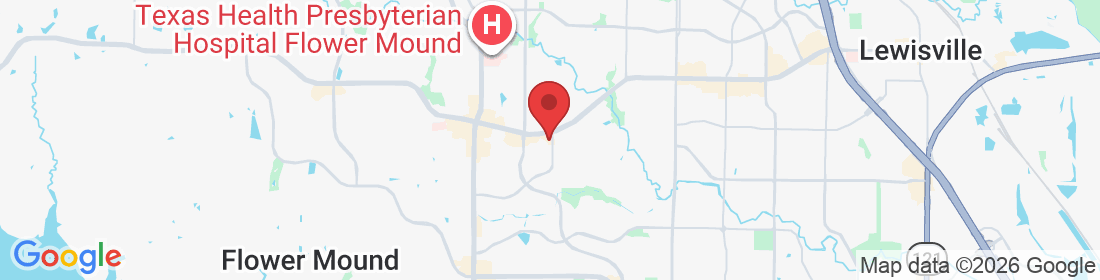
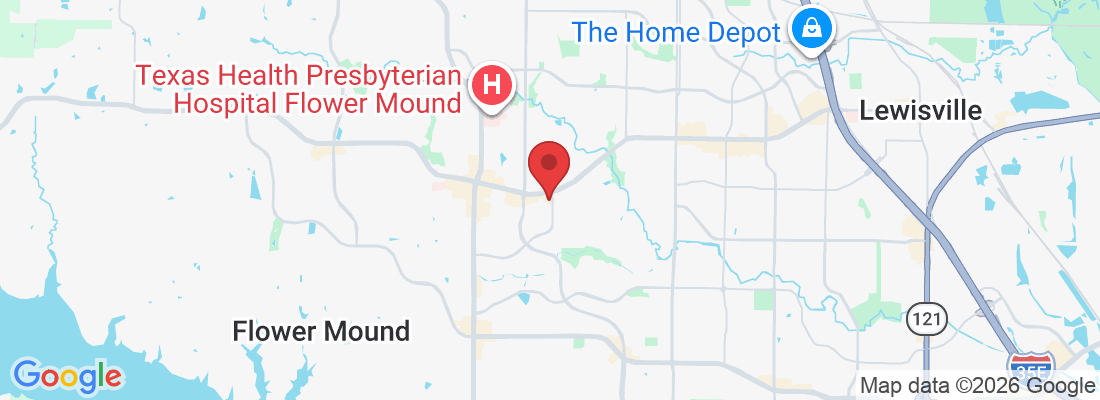
Flower Mound Address:
3535 Firewheel Dr.
Flower Mound, TX 75028-2628
Waco Address:
7100 Old McGregor Rd.
Woodway, TX 76712

Contact Information
Email: info@fireflycandc.com
Phone Number: 254.230.4994
Assistance Hours:
Mon – Sat 9:00am – 8:00pm
Sunday – CLOSED
Flower Mound Address:
3535 Firewheel Dr.
Flower Mound, TX 75028-2628
Waco Address:
7100 Old McGregor Rd
Woodway, TX 76712