
Blog & Resources
Blog & Resources

How EMDR Helps the Brain Heal: A Simple Explanation
When you’ve been through something painful, your brain does everything it can to protect you. Sometimes, though, those protective responses become “stuck.” You may notice intrusive memories, emotional triggers that feel bigger than the moment, or a sense that part of you is still living in the past. This is where EMDR therapy (Eye Movement Desensitization and Reprocessing) can make a powerful difference.
EMDR is a research-supported therapy designed to help the brain heal from trauma, stress, and overwhelming experiences. While the name might sound clinical, the process is grounded in something simple: helping your brain finish the healing it didn’t get the chance to complete.
Understanding How Trauma Gets “Stuck”
During a stressful or traumatic event, the brain goes into survival mode. That means the parts of the brain responsible for immediate safety become more active, while areas involved in reasoning, memory processing, and emotional regulation take a back seat.
If the event is overwhelming enough, the brain may not fully process the memory. Instead, it gets stored in a kind of “raw” form—intense emotions, body sensations, and beliefs all tied tightly together. This is why something small (a smell, a tone of voice, a place) can suddenly bring up big reactions. Your brain is signaling, “We’ve been here before—stay alert.”
EMDR helps the brain sort through those unprocessed experiences and finally place them in the past where they belong.
So, What Exactly Happens in EMDR?
During EMDR, your therapist guides you in recalling parts of a difficult memory while you engage in bilateral stimulation, usually through eye movements, tapping, or gentle auditory tones. This left-right rhythmic pattern helps activate the brain’s natural healing processes.
Think of it like untangling a knotted necklace: as you hold the memory, the bilateral stimulation helps loosen the emotional knot so the brain can make sense of the experience rather than staying overwhelmed by it.
How EMDR Reprocesses a Memory
Here’s the simplest way to understand what “reprocessing” means:
The memory itself doesn’t disappear — but
The emotional charge attached to it softens
The meaning you once gave the event can shift
Your body no longer reacts as if the past is happening right now
People often describe EMDR sessions as helping them feel lighter, clearer, or more grounded. Moments that once felt unbearable slowly become manageable, then neutral.
Who Can Benefit From EMDR?
EMDR is effective for many people, not just those who have experienced a single traumatic event. It can support healing from:
Childhood trauma
Anxiety and panic
Attachment wounds
PTSD
Grief and loss
Relationship pain
Medical trauma
Workplace stress
Chronic shame or people-pleasing patterns
Because EMDR taps into the brain’s natural ability to heal, it can help shift long-standing patterns in a gentle, paced, and supportive way.
Why EMDR Works
While researchers continue to study all the ways EMDR impacts the nervous system, we know it:
Reduces emotional intensity
Supports the brain in completing unprocessed memories
Strengthens new, healthy beliefs about yourself
Helps regulate the body’s stress responses
In short: EMDR helps your brain reconnect with a sense of safety.
Healing at Your Pace
EMDR is not about forcing anything or reliving trauma. A well-trained EMDR therapist will move slowly, build grounding skills with you, and make sure you feel supported throughout the process. You stay in control. You set the pace. And you never do the work alone.
Final Thoughts
Healing doesn’t mean forgetting what happened—it means remembering without reliving. EMDR offers a pathway toward that kind of freedom. If you're curious about whether EMDR might be a good fit for you or someone you know, our team at Firefly is here to help answer questions and support you on your healing journey.
You deserve to feel safe, grounded, and whole again. Healing is possible—and your brain is capable of more resilience than you may realize.

Podcast Series
All about EMDR: A deep dive into a groundbreaking modality for mental wellness
In the latest episode of 'Functional Medicine in Real Life,' Allison had the wonderful opportunity to share insights about a therapy close to heart—Eye Movement Desensitization and Reprocessing, or EMDR.
This technique has been a cornerstone in helping individuals navigate through the emotional turmoil of traumas and challenging life events. Joining the conversation, Allison delves into the essence of EMDR therapy, its potential to foster healing, and whom it can benefit, touching on the common roots of anxiety and how EMDR addresses them.
If you've ever been curious about EMDR or the impact of counseling on personal growth, this episode offers a personal glimpse into the process and its profound benefits.
I invite you to listen as we explore the transformative power of EMDR and how it can pave the way toward emotional healing.


Watch our latest podcast episode below:
In this Good Neighbor Podcast episode, Allison Cornell—founder of Firefly Counseling & Consulting—shares how her team is bringing light to dark places through trauma-informed care, EMDR, and holistic therapy. From her roots in education to launching a thriving group practice, Allison discusses breaking therapy myths, supporting first responders and families, and helping clients heal with compassion and purpose.
Podcast Series
All about EMDR: A deep dive into a groundbreaking modality for mental wellness
In the latest episode of 'Functional Medicine in Real Life,' Allison had the wonderful opportunity to share insights about a therapy close to heart—Eye Movement Desensitization and Reprocessing, or EMDR.
This technique has been a cornerstone in helping individuals navigate through the emotional turmoil of traumas and challenging life events. Joining the conversation, Allison delves into the essence of EMDR therapy, its potential to foster healing, and whom it can benefit, touching on the common roots of anxiety and how EMDR addresses them.
If you've ever been curious about EMDR or the impact of counseling on personal growth, this episode offers a personal glimpse into the process and its profound benefits.
I invite you to listen as we explore the transformative power of EMDR and how it can pave the way toward emotional healing.
Watch our latest podcast episode below:
In this Good Neighbor Podcast episode, Allison Cornell—founder of Firefly Counseling & Consulting—shares how her team is bringing light to dark places through trauma-informed care, EMDR, and holistic therapy. From her roots in education to launching a thriving group practice, Allison discusses breaking therapy myths, supporting first responders and families, and helping clients heal with compassion and purpose.
Contact Information
Email: info@fireflycandc.com
Phone Number: 254.230.4994
Assistance Hours
Mon – Sat 9:00am – 8:00pm
Sunday – CLOSED
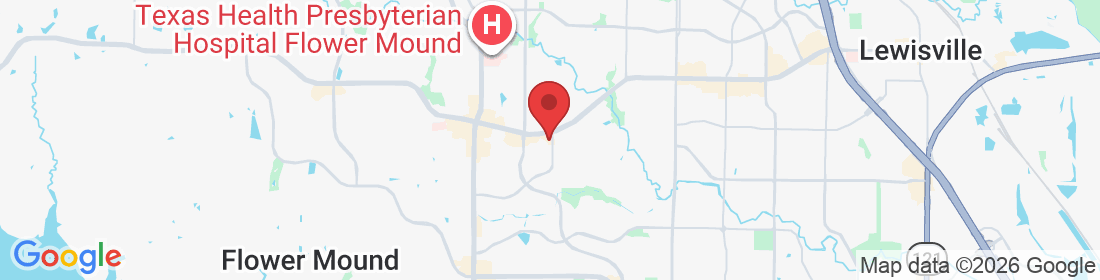
Flower Mound Address:
3535 Firewheel Dr.
Flower Mound, TX 75028-2628
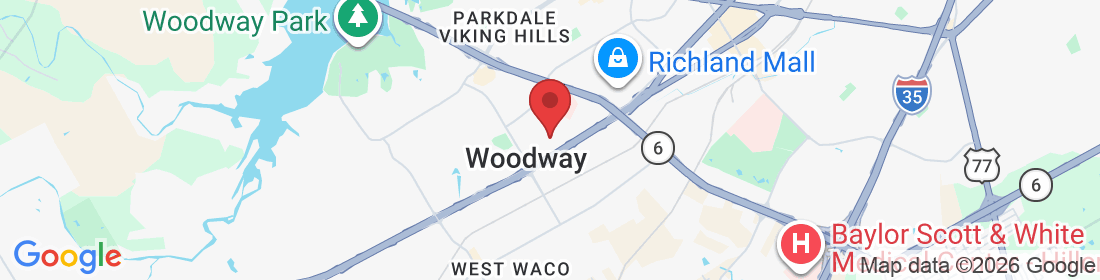
Waco Address:
7100 Old McGregor Rd.
Woodway, TX 76712
Contact Information
Email: info@fireflycandc.com
Phone Number: 254.230.4994
Assistance Hours:
Mon – Sat 9:00am – 8:00pm
Sunday – CLOSED
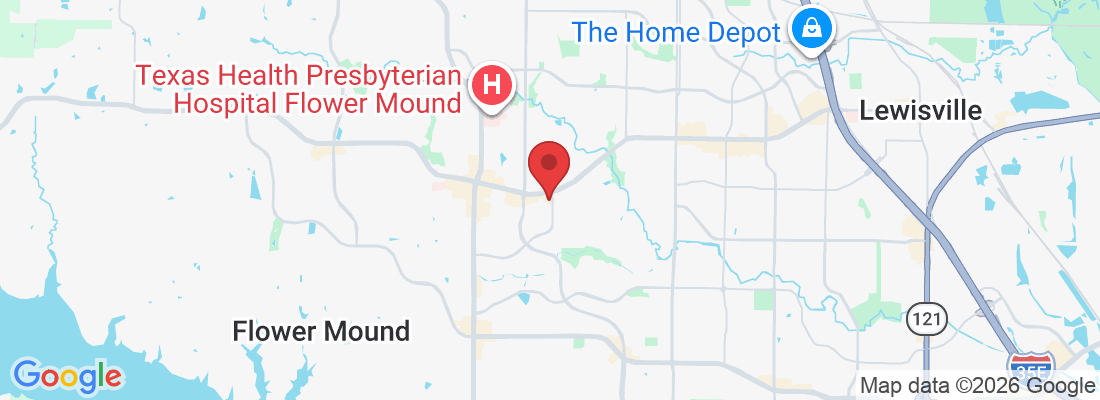
Flower Mound Address:
3535 Firewheel Dr.
Flower Mound, TX 75028-2628
Waco Address:
7100 Old McGregor Rd
Woodway, TX 76712